

Description
Product Overview
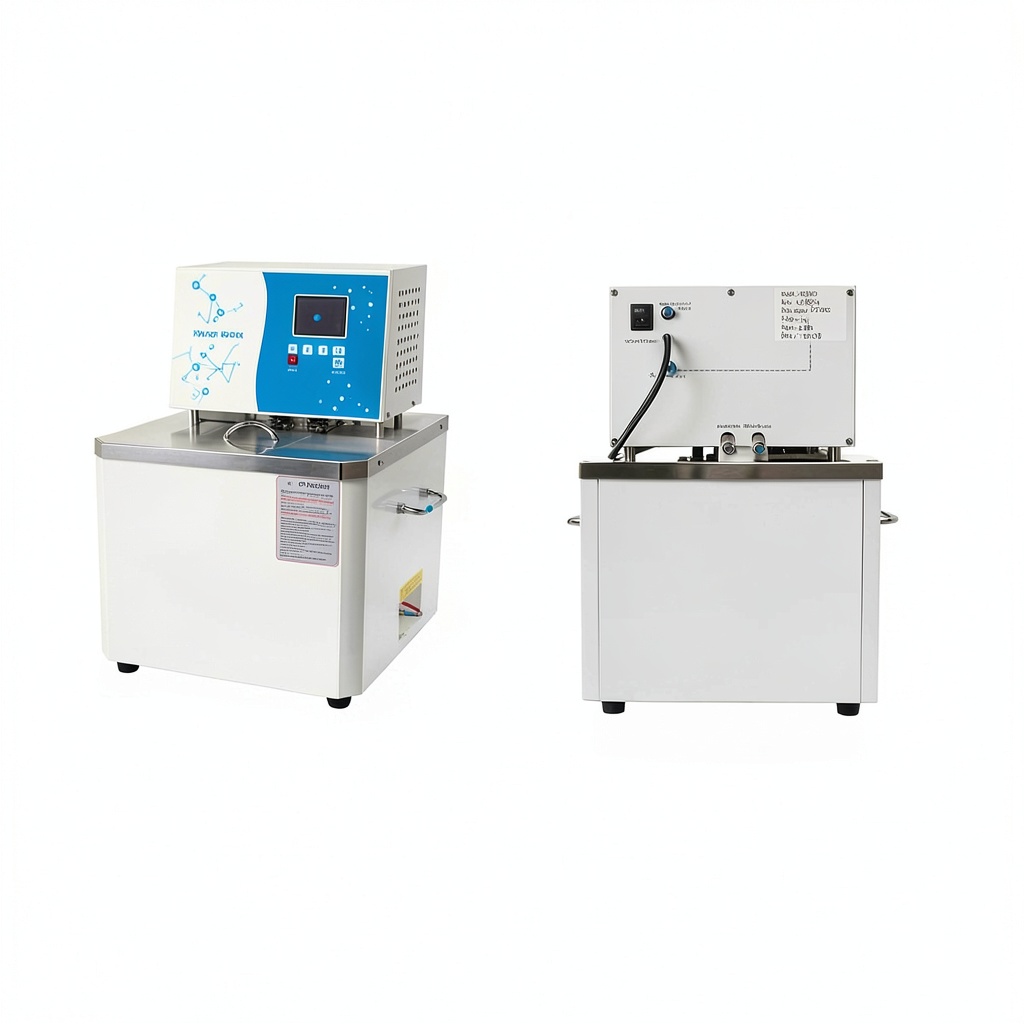
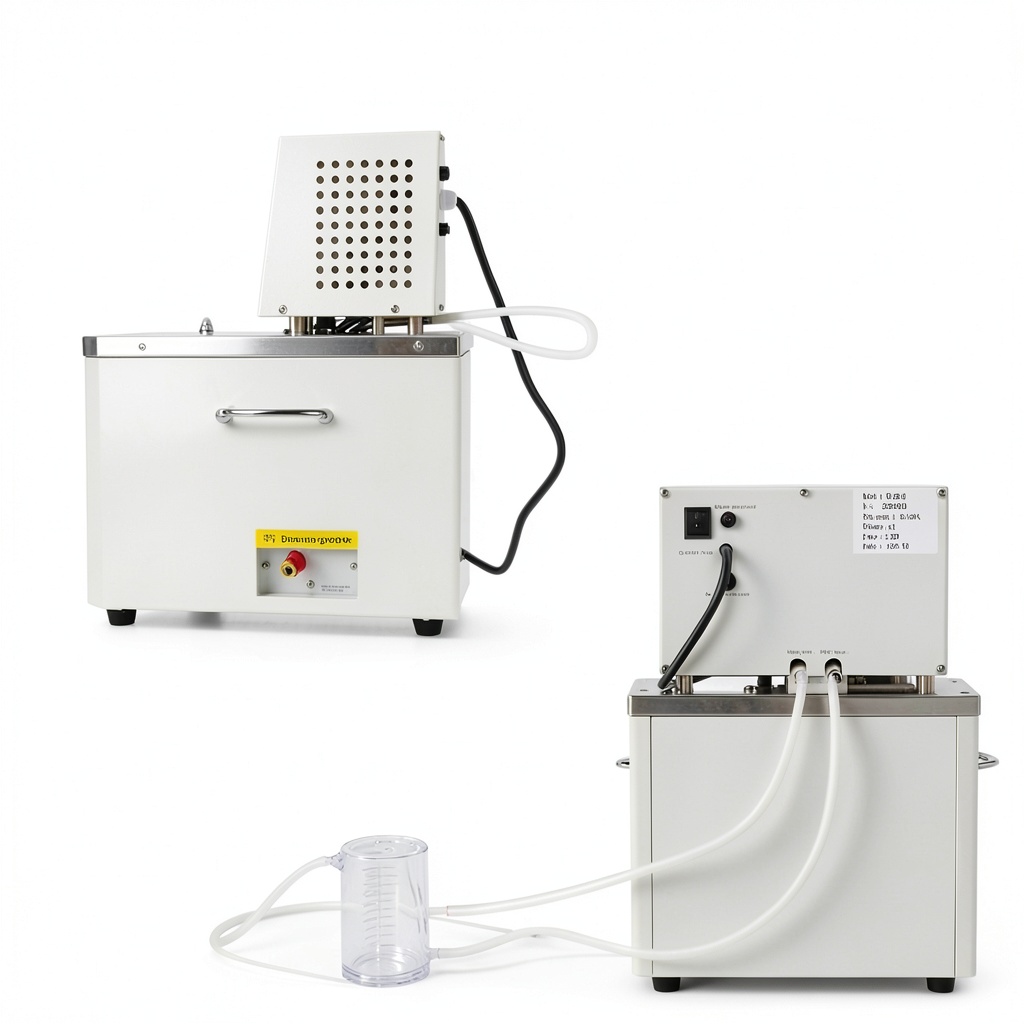
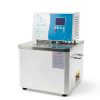
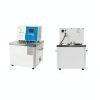
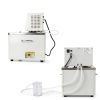
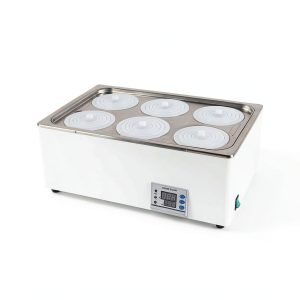
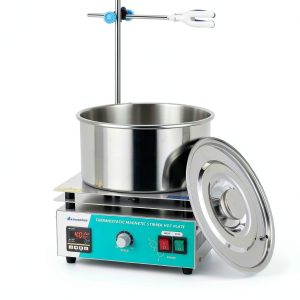
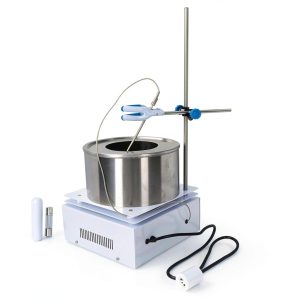
The Laboratory High-Temp Circulating Oil Bath is engineered for demanding scientific environments where temperature precision and reliability are non‑negotiable. With a 10 L capacity, the unit accommodates a wide range of glass reactors, beakers, and other laboratory vessels, delivering uniform heating across the entire liquid volume. The thermostat maintains temperature fluctuations as low as 0.1 °C, ensuring that sensitive reactions proceed under tightly controlled conditions. The maximum operating temperature of 300 °C expands its applicability to high‑temperature syntheses, polymerizations, and material testing.
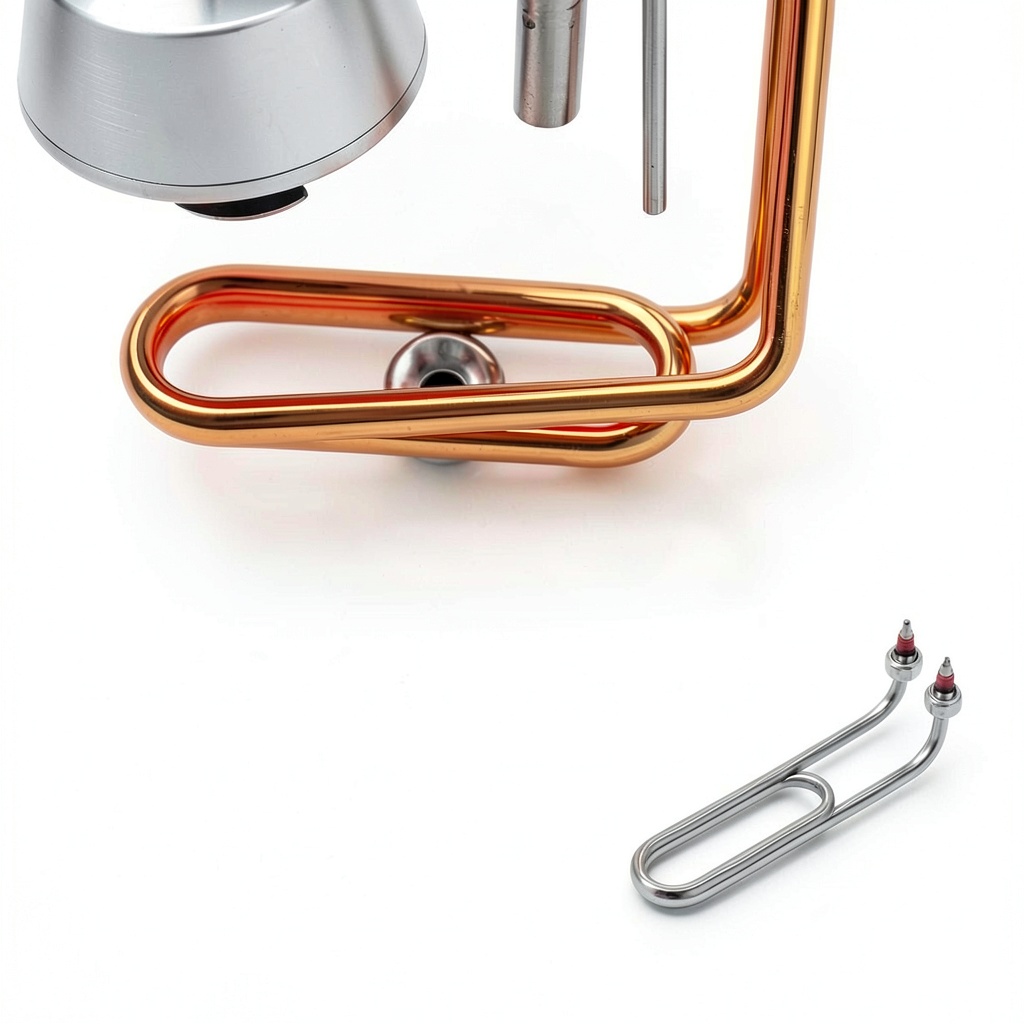
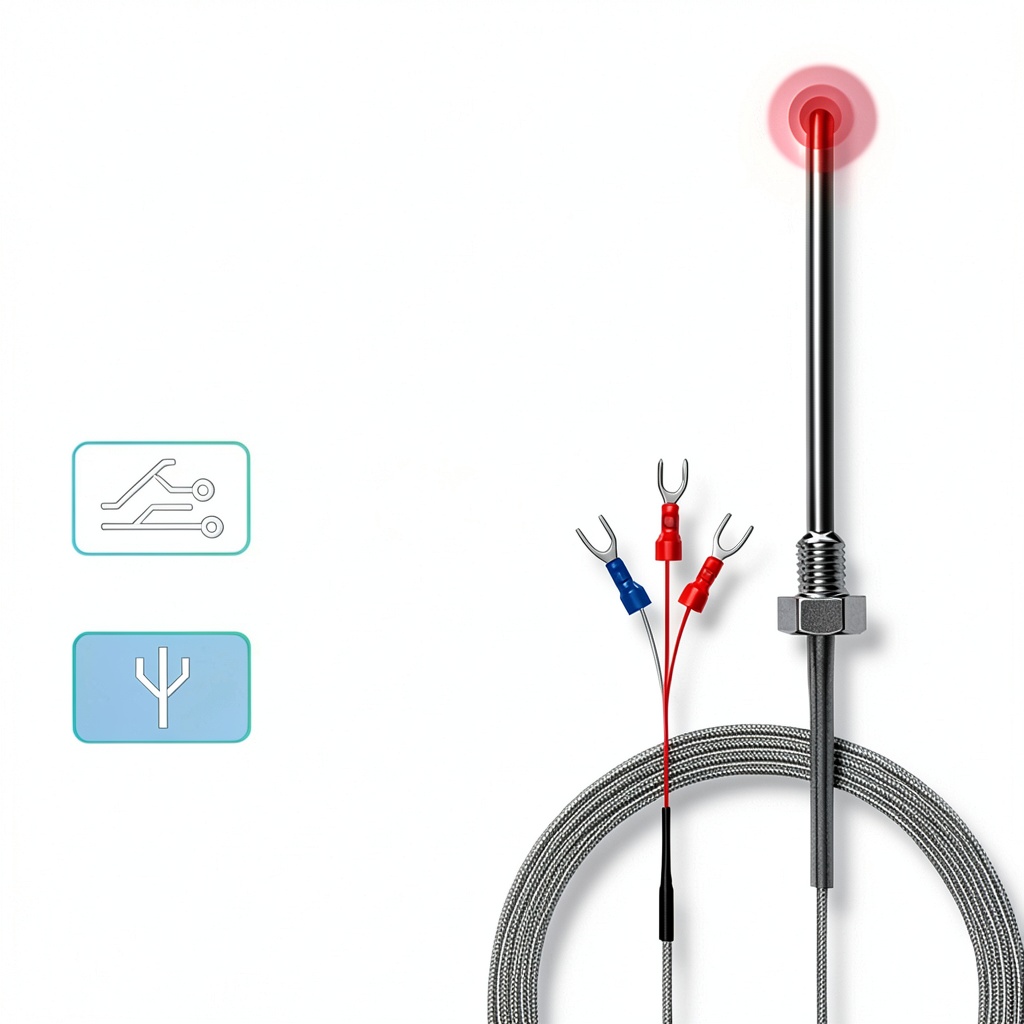
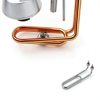
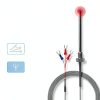
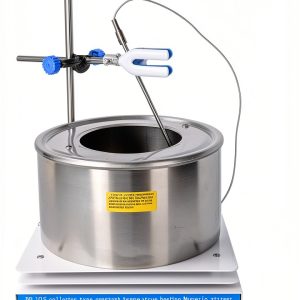
Key construction elements include a SUS304 stainless‑steel heating tube that resists corrosion and provides excellent thermal conductivity, and a PT100 temperature sensor that offers accurate real‑time feedback to the intelligent PID controller. The motor features a pure copper core with CNC‑grinded rotor teeth, delivering silent operation while preserving temperature uniformity throughout the bath. The outer circulation system creates a secondary thermostatic field, allowing the bath to act as both a heating and cooling source when paired with an external chiller.
![[Product front view showing all components]](https://www.agvora.store/wp-content/uploads/2026/07/5c68852e1f044eb3b72acf2cd69dba57.jpg)
Usage
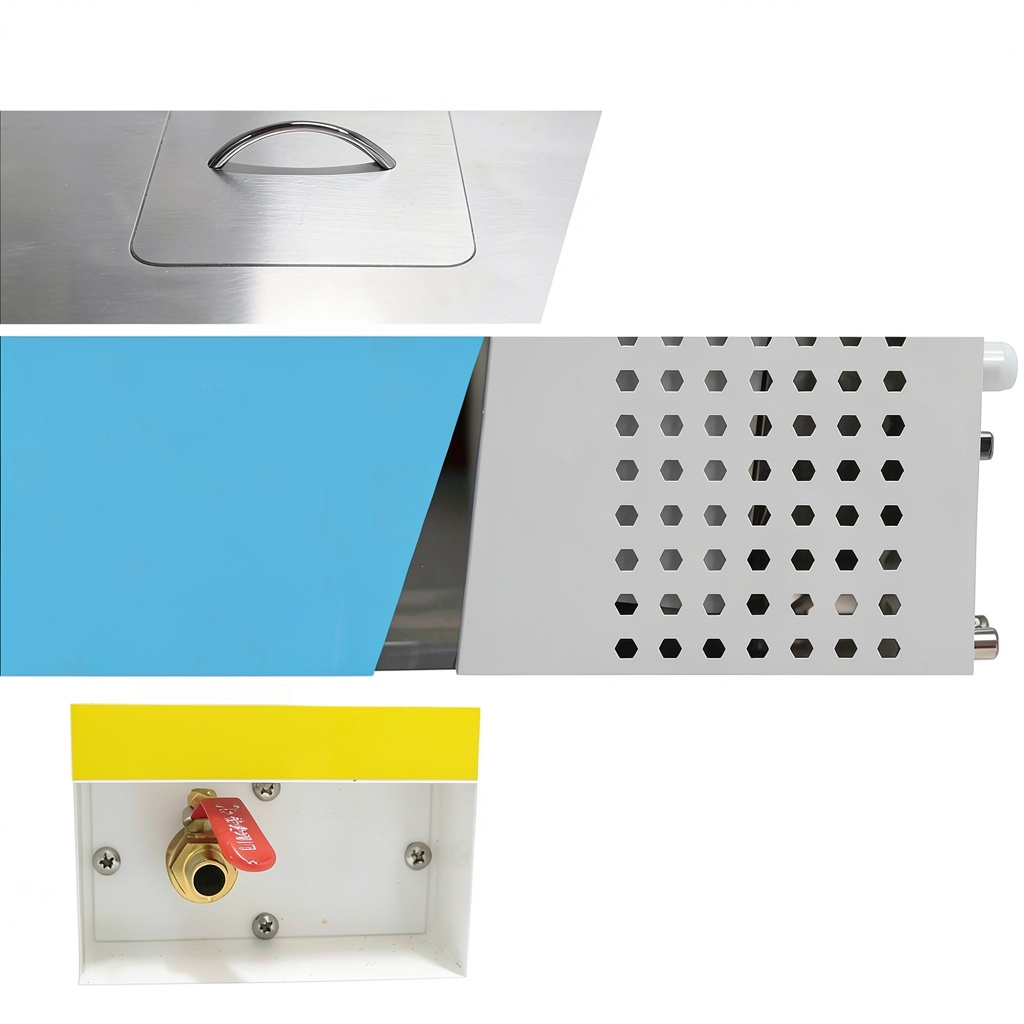
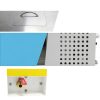
This oil bath is ideally suited for academic research labs, industrial R&D facilities, and quality‑control laboratories that require precise thermal management. It excels in applications such as kinetic studies, catalyst testing, and solvent evaporation where temperature drift can compromise data integrity. The robust 304 stainless‑steel inner liner, with a thickness of 1.2 mm, resists chemical attack from a variety of organic solvents and acids, simplifying cleaning and extending service life.
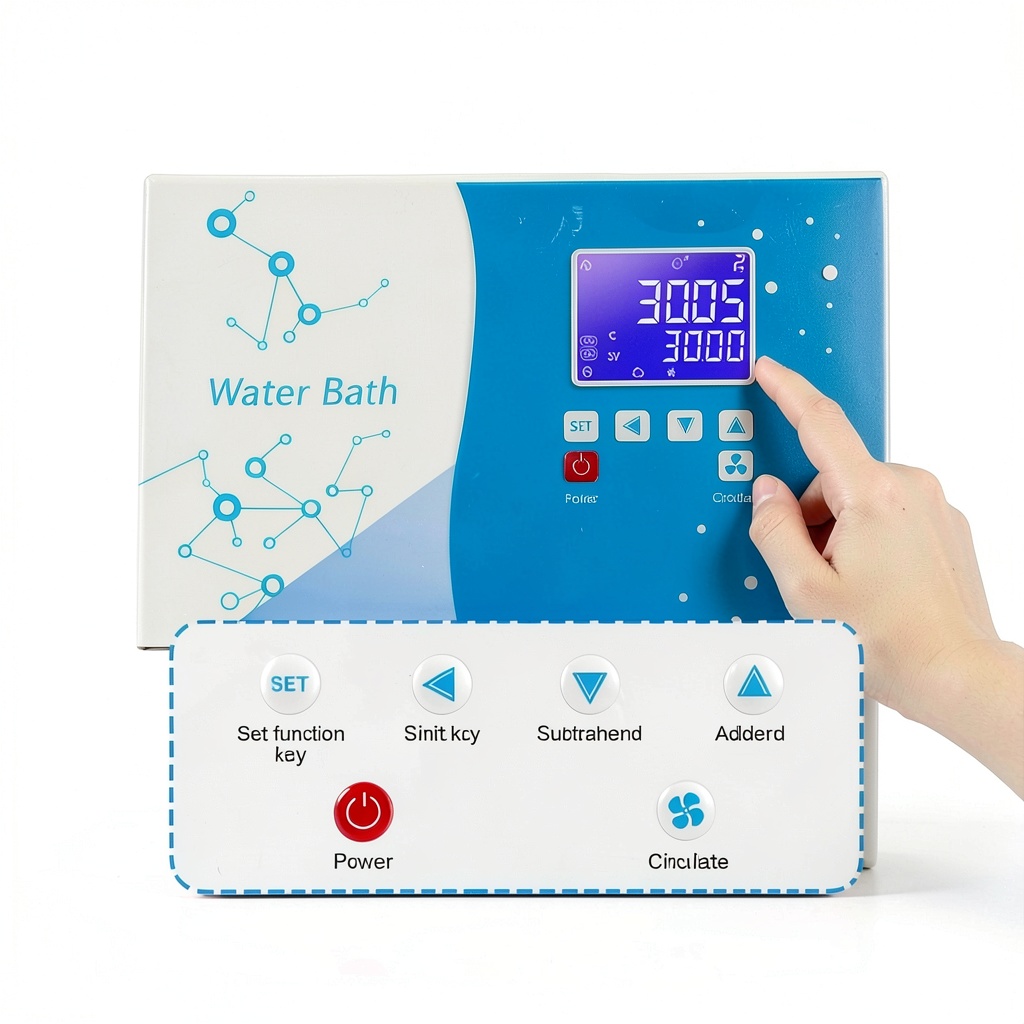
Because the unit operates on a standard 110 V power supply, it can be deployed in most laboratory settings without the need for specialized electrical infrastructure. The intelligent PID system can be set manually or allowed to search automatically for the optimal heating profile, reducing operator workload and minimizing the risk of human error. The external circulation loop also enables integration with existing laboratory water‑circulation systems, providing flexibility for multi‑bath configurations.
Why Choose Us
Choosing the Laboratory High‑Temp Circulating Oil Bath means investing in a product that combines engineering excellence with user‑centric design. Each component has been selected for durability: the SUS304 heating tube endures repeated thermal cycles without warping, while the PT100 sensor maintains calibration over years of operation. The copper‑core motor’s low‑noise design ensures a quiet laboratory environment, which is especially valuable during long‑duration experiments.
Our commitment to quality is reflected in rigorous testing procedures that verify temperature accuracy, energy efficiency, and safety compliance before the product reaches the customer. In addition, we provide comprehensive after‑sales support, including installation assistance, calibration services, and a responsive technical help desk that can troubleshoot issues remotely or on‑site.
Key Features
- 0.1°C temperature stability ensures reproducible experimental results.
- SUS304 stainless‑steel heating tube provides corrosion resistance and easy cleaning.
- PT100 sensor delivers accurate temperature feedback for precise control.
- Silent copper‑core motor reduces noise, enhancing laboratory comfort.
- Dedicated customer support and calibration services guarantee long‑term reliability.
FAQ
What types of liquids can be used in the oil bath?
The bath is compatible with most laboratory oils, silicone fluids, and high‑temperature heat‑transfer liquids. It is also safe for use with many organic solvents when the inner stainless‑steel liner is properly cleaned after each use.
How does the external circulation system improve temperature uniformity?
The external circulation pumps fluid around the outer wall of the bath, creating a secondary thermostatic field that minimizes temperature gradients. This results in more consistent heating of the sample container placed inside the bath.
Can the unit be integrated with a cooling system for temperature‑controlled cooling cycles?
Yes. By connecting an external chiller to the circulation loop, the bath can function as a cooling source, allowing rapid temperature drops and precise temperature ramps for processes that require both heating and cooling.
What maintenance is required to keep the bath operating at peak performance?
Regular cleaning of the inner liner with appropriate solvents, periodic inspection of the heating tube and sensor, and verification of motor operation are recommended. Calibration of the PID controller should be performed annually or after any major service.
Is there a warranty included with the product?
All units come with a standard two‑year limited warranty covering manufacturing defects and component failures. Extended warranty options are available upon request.
Reviews
There are no reviews yet.