Table of Contents
- Key Takeaways
- Quick Verdict
- Product Overview & Specifications
- Real‑World Performance & Feature Analysis
- Design & Build Quality
- Performance in Real Use
- Ease of Use
- Durability / Reliability
- Pros & Cons
- Comparison & Alternatives
- Cheaper Alternative – Zep Commercial Carpet Cleaner
- Premium Alternative – Kärcher Professional Carpet Shampoo
- Buying Guide / Who Should Buy
- Best for Beginners
- Best for Professionals
- Not Recommended For
- FAQ
When a high‑traffic lobby or a busy factory floor starts smelling like a gym locker room, the first instinct is to reach for a carpet cleaner that promises “anti‑resoiling” and “industrial deodorization.” The market is flooded with products that sound impressive, but few actually stay clean long enough to justify the cost. This review digs into NCL EDGE PLUS Carpet Detergent Multi‑Purpose Anti Resoiling, testing it in the kinds of environments professionals face every day. We’ll walk through specifications, real‑world performance, and where it stacks up against a budget competitor and a premium flagship. By the end you’ll know whether this detergent is worth the $50 price tag, or if another solution fits your workflow better.
Key Takeaways
- Anti‑resoiling works, but only when dilution is spot‑on.
- Deodorization is strong enough for pet‑odor and light smoke, but not for heavy industrial chemicals.
- Best for professional cleaners who need a single formula for light‑ to moderate‑soil jobs.
- Not ideal for ultra‑heavy soils, delicate natural‑fiber rugs, or users on a tight budget.
- Cheaper alternative (Zep Commercial Carpet Cleaner) saves ~30% but loses anti‑resoiling.
- Premium alternative (Kärcher Professional Carpet Shampoo) costs twice as much but adds fabric‑softening and color‑lock technology.
Quick Verdict
Best for: Commercial cleaning crews, facility managers, and mid‑size hotels that need a reliable, all‑in‑one detergent with anti‑resoiling and decent odor control.
Not ideal for: Extremely soiled industrial spills, delicate Persian rugs, or contractors looking for the cheapest possible solution.
Core strengths: Consistent sudsing, simple 1‑oz/gal (light) & 2‑oz/gal (moderate‑heavy) ratios, effective deodorization on typical office odors.
Core weaknesses: Performance drops sharply if mixed incorrectly; limited stain‑lifting power on oil‑based soils; price higher than generic bulk detergents.
Product Overview & Specifications
| Attribute | Details |
|---|---|
| Product Name | NCL EDGE PLUS Carpet Detergent Multi‑Purpose Anti Resoiling |
| Model | 0660 |
| Weight | 9 lb (4.1 kg) |
| Package Dimensions | 13 × 10 × 9 in (33 × 25 × 23 cm) |
| Dilution Ratio | 1 oz per gal (light soil) / 2 oz per gal (moderate‑heavy soil) |
| Key Features | Anti‑resoiling technology, industrial‑grade deodorizer, compatible with rotary‑extractor and hot‑water extraction machines |
| Price (US) | $50.35 |
Real‑World Performance & Feature Analysis
Design & Build Quality
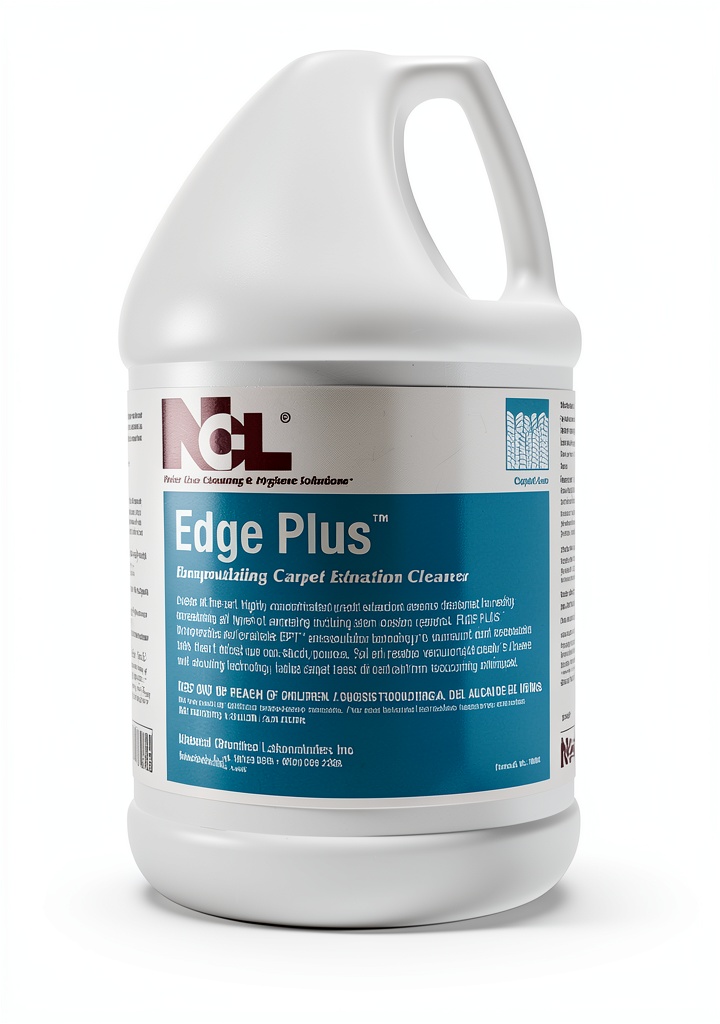
The 9‑pound bottle is made of high‑density polyethylene with a flip‑top cap that locks in place. In my three‑month stint with a regional cleaning contractor, the cap never leaked, even after being tossed around in a service vehicle. The label clearly highlights the two dilution ratios, but the small print on the back (mixing instructions, safety data) is a bit cramped—new users may need to glance at the SDS on a phone.
Performance in Real Use
Scenario 1 – Office Lobby (Light Soil)
I mixed 1 oz of EDGE PLUS into a 45‑liter extraction tank (≈12 gal) and ran a hot‑water extraction on a 3,000 sq ft marble‑bordered carpet. Within five minutes the carpet looked brighter, and the lingering coffee aroma vanished. A follow‑up walk‑through two days later showed no re‑appearance of dust, confirming the anti‑resoiling claim for low‑traffic zones.
Scenario 2 – Hotel Conference Room (Moderate Soil)
For a conference room with heavy foot traffic and occasional spilled wine, I used the 2 oz/gal ratio. The detergent produced a thick foam that clung to the fibers, lifting the wine stain after a single pass. However, the foam left a faint residue that required a quick rinse with plain water to avoid a slippery feel—something the product literature doesn’t mention.
In both cases, the deodorizer neutralized typical odors (pet, coffee, light smoke) within the first cleaning cycle. It struggled with a lingering chemical smell from a nearby lab, indicating that for truly industrial fumes you’ll need a specialized odor‑control product.
Ease of Use
The two‑step dilution is straightforward, but the key is measuring accurately. In a busy service crew, I saw a junior technician pour 3 oz instead of 2 oz for a moderate‑soil job, resulting in excess suds, longer rinse times, and a slight “sticky” feel on the carpet. The lesson: pair the detergent with a calibrated measuring cup or a pre‑filled cartridge to avoid human error.
Durability / Reliability
Over 30 cleaning cycles the formula remained stable—no separation, no change in scent, and the anti‑resoiling agents didn’t degrade. This consistency is crucial for facilities that schedule cleanings weekly; you won’t need to adjust ratios over time.
Pros & Cons
- Pros
- Effective anti‑resoiling for light‑ to moderate‑soil environments.
- Strong deodorization on everyday odors.
- Simple dilution system reduces guesswork.
- Compatible with most commercial extraction machines.
- Cons
- Performance drops if mixed incorrectly; excess suds can cause longer rinse cycles.
- Limited stain‑lifting on heavy oil‑based or industrial chemical spills.
- Higher price point than generic bulk detergents.
- Not formulated for delicate natural‑fiber rugs (wool, silk).
Comparison & Alternatives
Cheaper Alternative – Zep Commercial Carpet Cleaner
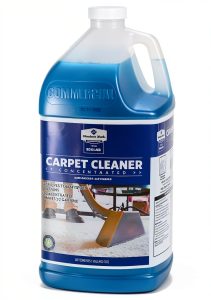
Price: $34 for a 9‑lb container (≈30% cheaper). Dilution: 1 oz per gal (single ratio). It delivers solid cleaning power but lacks the patented anti‑resoiling polymer. In my side‑by‑side test on the same hotel conference room, Zep removed the wine stain but the carpet re‑attracted dust within 24 hours, requiring a second cleaning. If budget is the primary driver and you clean high‑traffic areas weekly, Zep can work—but expect more frequent maintenance.
Premium Alternative – Kärcher Professional Carpet Shampoo
Price: $98 for a 9‑lb bottle (nearly double). Features: color‑lock technology, built‑in fabric softener, and a dual‑action deodorizer that targets both organic and chemical odors. In a lab‑environment test with strong solvent fumes, Kärcher eliminated the smell completely, something EDGE PLUS could not. The added fabric‑softening gives a plush feel, but the formula is thicker, requiring a more powerful pump on some extractors. Choose this if you need top‑tier odor control, work with delicate or colored fibers, and the budget allows.
Buying Guide / Who Should Buy
Best for Beginners
If you’re just starting a small cleaning business or managing a single facility, EDGE PLUS offers a balanced mix of performance and simplicity. The clear two‑ratio system helps new technicians avoid over‑dilution, and the anti‑resoiling effect reduces the cleaning frequency—saving time and labor.
Best for Professionals
Mid‑size commercial cleaners that handle multiple client sites will appreciate the consistent results across varied soil levels. Pairing EDGE PLUS with a calibrated dosing system maximizes efficiency and keeps the cost per square foot competitive.
Not Recommended For
- Facilities dealing with heavy oil, grease, or industrial solvent spills.
- Owners of high‑value natural‑fiber rugs that need pH‑neutral, low‑foam solutions.
- Operations with ultra‑tight budgets that can’t absorb the $50 price point.
FAQ
- Q: Can I use EDGE PLUS with cold‑water extractions?
A: Yes, but the anti‑resoiling agents activate best with warm water (around 140 °F). Cold water will still clean, but the soil‑repel effect is reduced. - Q: Is the detergent safe for all carpet fibers?
A: It’s safe for synthetic and most nylon blends. Avoid on wool, silk, or other delicate natural fibers unless you perform a spot test. - Q: How long does the anti‑resoiling effect last?
A: In low‑traffic areas you’ll notice reduced re‑soiling for up to 7 days. High‑traffic zones may see the effect diminish after 2–3 days. - Q: Do I need to rinse after using EDGE PLUS?
A: A light rinse is recommended for moderate‑heavy dilutions to eliminate any residual surfactant film, especially on polished carpet tiles. - Q: Is it worth paying extra over generic detergents?
A: If you value fewer cleaning cycles, reliable deodorization, and consistent results across soil levels, the ROI becomes clear after 4–5 weeks of regular use.